

When incorporating custom carpentry ceilings with ceiling fan designs during renovation, it is essential to balance aesthetic appeal with functionality and safety. Below, we introduce the current mainstream design trends in this area.
Here are the key points:
- Design Principles
Style Consistency: The design of the wooden ceiling and fan combination should harmonize with the overall home decor style.
For example:
Nordic / Natural Wood Style: We recommend using light-colored wood finishes paired with ceiling fan lights featuring white or natural wood-toned blades—creating a look that is simple and natural.
American / Retro Style: Opt for ceiling fan lights with wooden blades, metal frames, and vintage-style shades to add depth and visual layering to the space.
Centered Symmetry: The fan should be installed directly above the dining table to prevent spatial imbalance; if the dining table is positioned against a wall, it is advisable to use pendant lights or a wall-mounted fan instead.
Ceiling Height Suitability: Standard residential ceiling heights are typically 2.7 meters. After installation, the bottom of the ceiling fan must be at least 2.1 meters above the floor to ensure safety.
- Wooden Ceiling Design Suggestions
Tiered Ceiling + Concealed Fan
Construct a stepped, tiered ceiling using gypsum board or a wooden framework clad in wood panels, leaving a designated space in the center for fan installation.
The fan can be recessed into the ceiling structure, exposing only the blades and light fixture to create a “floating” visual effect.
Wooden Grilles or Arched Designs Echoing the Fan Blades
Create a radial or arched grille pattern on the ceiling surface using wooden slats; this design echoes the shape of the fan blades, enhancing the overall sense of unity in the space.
Localized Dropped Ceiling to Focus Attention
Construct a localized circular or square wooden ceiling feature specifically over the dining area, placing the fan at its center to highlight this focal zone.
- Fan Selection and Installation Essentials
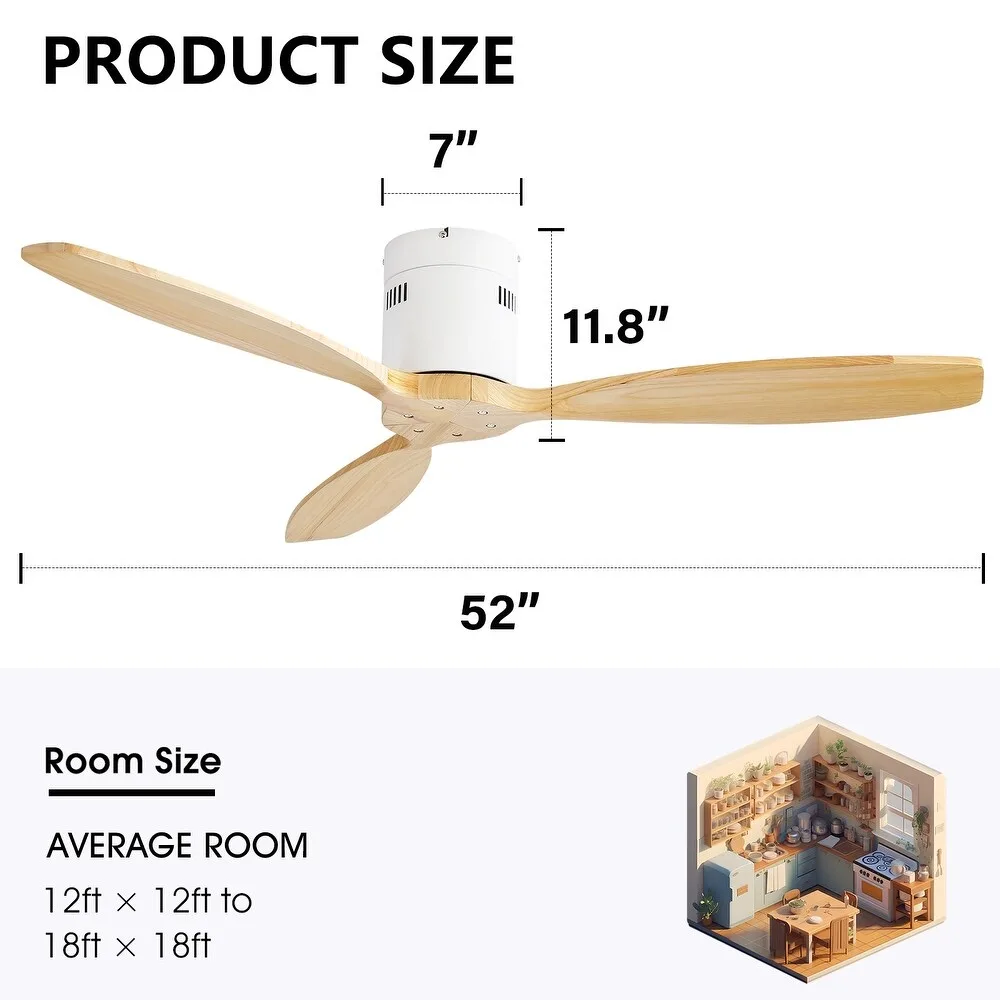
Recommended Type: Integrated Ceiling Fan Light Fixture (combining both lighting and air circulation functions).
Key Parameters:
Noise Level: ≤ 50 decibels (Prioritize models with DC inverter motors from brands such as NVC or Himin). Materials: ABS or wooden blades (avoid metal blades, as they are prone to wobbling).
Certification: Must possess 3C certification to ensure electrical safety.
Installation Notes:
The fan must be secured to a load-bearing structure (such as embedded wooden blocking or a dedicated mounting bracket); it must not rely solely on the drywall/plasterboard for support.
If the suspended ceiling features a wooden framework, the load-bearing points on the joists must be reinforced.
- Pitfall Warnings:
❌ Forcing the installation of a ceiling fan when the dining table is not centered creates visual imbalance.
❌ Installing a ceiling fan in a room with a low ceiling (< 2.7 meters)—especially in conjunction with complex ceiling designs—creates a sense of spatial oppression.
❌ Ignoring the impact of cooking fumes: Exercise caution when installing ceiling fans in open-plan kitchens to prevent the widespread dispersion of grease and odors.