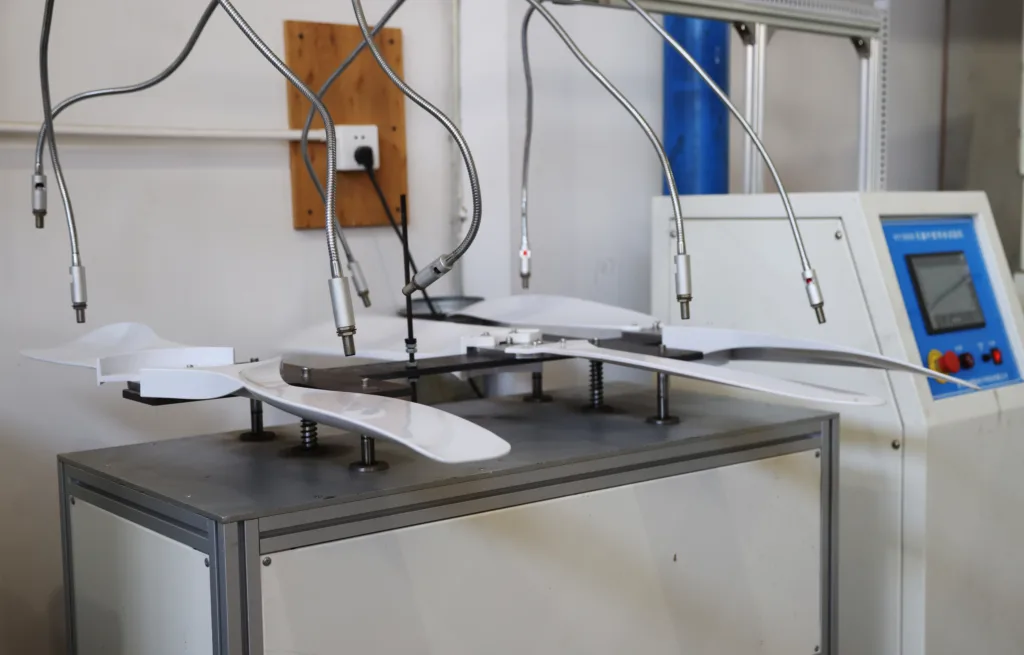

Many procurement issues do not arise after the product has left the factory.
Rather, the seeds of potential problems are sown as early as the supplier selection stage.
For example, two factories may provide identical product images, similar specifications, and even quotes that differ by just a few dollars. Yet, a few months later, one may be able to deliver consistently, whilst the other may disrupt the entire procurement plan due to quality fluctuations, delivery delays or after-sales issues.
For products such as ceiling fan lights, which combine motors, electrical components and lighting systems, the procurement risk is not merely about ‘purchasing a substandard product’; more importantly, it concerns whether the supply chain is sufficiently stable.
Truly experienced procurement teams typically focus on several other issues before comparing quotations.
Product Consistency: More Important Than Samples
Producing a sample is not difficult; the real challenge lies in mass production.
Problems with many procurement projects do not arise with the first unit, but rather when discrepancies begin to appear in the second or third batches: slight colour deviations, increased motor noise, inconsistent light brightness, or even changes to the packaging method.
Therefore, before confirming a partnership, it is worth understanding how the supplier manages product consistency.
For example:
- Is there a fixed Bill of Materials (BOM) in place?
- Are key components sourced from long-term suppliers?
- Are production and inspection records retained for each batch?
- Are customers notified in advance of changes to raw materials?
These processes determine whether the product can remain consistent over the coming year or even longer, rather than merely producing a single batch of compliant samples.
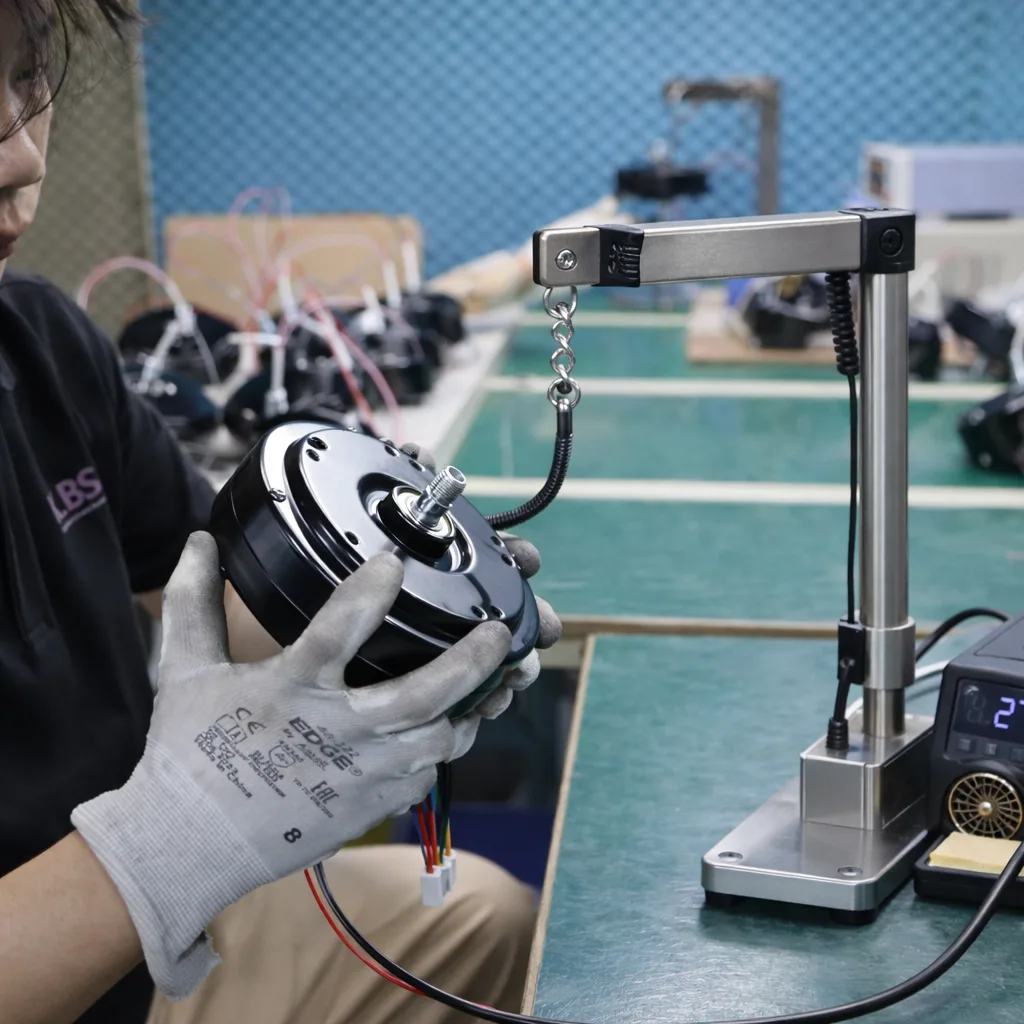
Look beyond the test items; consider when the testing takes place
Many factories claim to carry out quality inspections.
However, what truly affects quality is not ‘whether or not inspections are carried out’, but whether they are integrated throughout the entire production process.
Mature manufacturing processes typically distribute quality control across multiple stages, such as incoming goods inspection, in-process inspections, functional testing of the finished product, and pre-packaging re-inspection, rather than waiting until the product has been fully assembled to identify issues.
The earlier anomalies are detected, the lower the rework costs and the lower the delivery risks.
A quotation alone does not reveal a supplier’s true delivery capability.
In procurement, price is the easiest factor to compare, whilst delivery capability is the most difficult to assess.
When order volumes increase, peak seasons arrive, or multiple models need to be produced simultaneously, whether a supplier can still meet delivery deadlines as promised is often more important than the quoted price.
Therefore, it is worth investigating further:
- Do they have dedicated production lines?
- How do they manage capacity during peak periods?
- Can they provide real-time updates on order progress?
- Do they have a well-established dispatch schedule?
This information helps procurement teams assess supply chain risks more accurately, rather than focusing solely on the product itself.
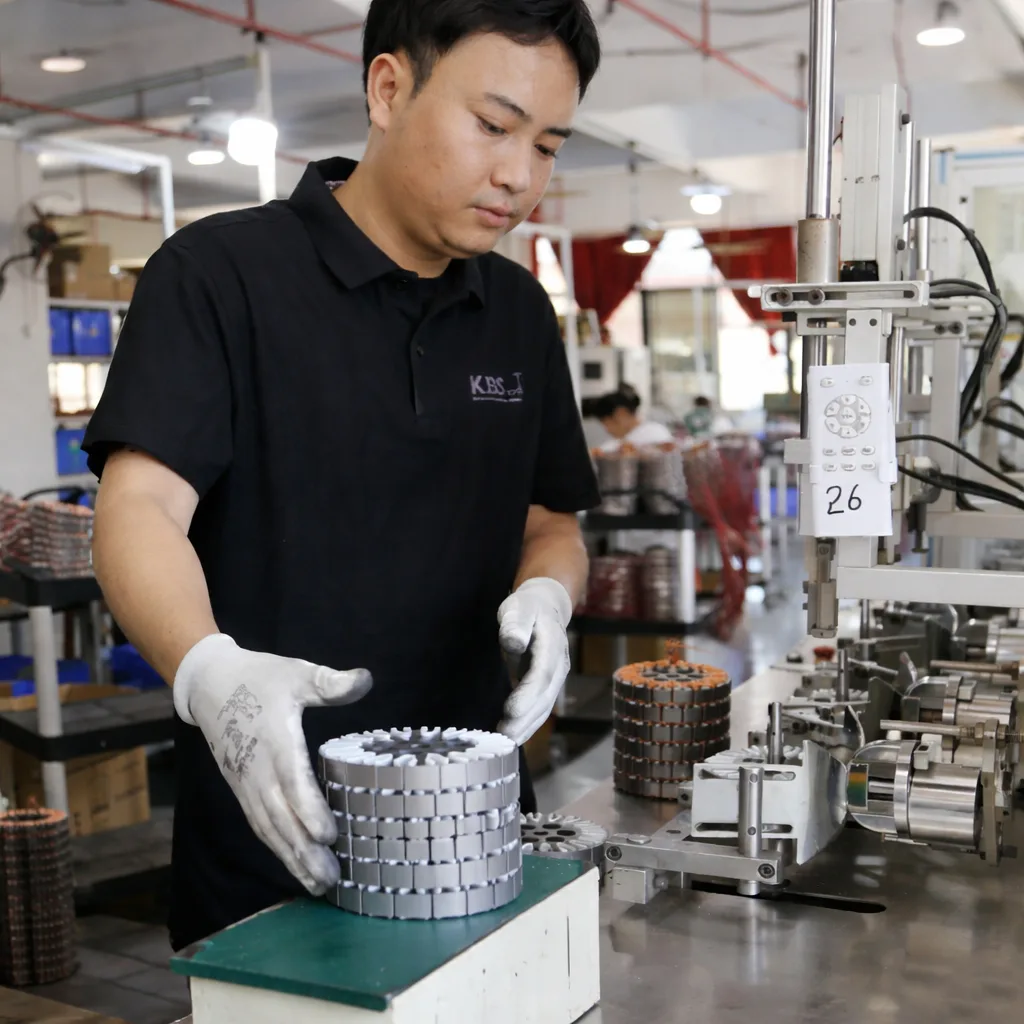
A manufacturer worthy of long-term partnership offers more than just products.
As market competition intensifies, an increasing number of brands are beginning to reassess the value of their suppliers.
Beyond the products themselves, they are paying greater attention to whether suppliers can participate in new product development, optimize packaging solutions, provide certification advice, and respond swiftly to requirements as projects progress.
In the long term, these capabilities often reduce overall procurement costs more effectively than a price difference of a few dollars.
Procurement risks are never caused by a single stage.
When procuring ceiling fan lights, risks typically arise from a combination of factors: product consistency, quality management, delivery capability and communication efficiency.
When selecting a supplier, rather than focusing solely on the quotation, it is better to spend a little more time understanding how they manage their production processes, control quality and support the long-term development of their clients.
A truly reliable partnership is not just about fulfilling a single order, but about ensuring that every delivery maintains the same high standard.