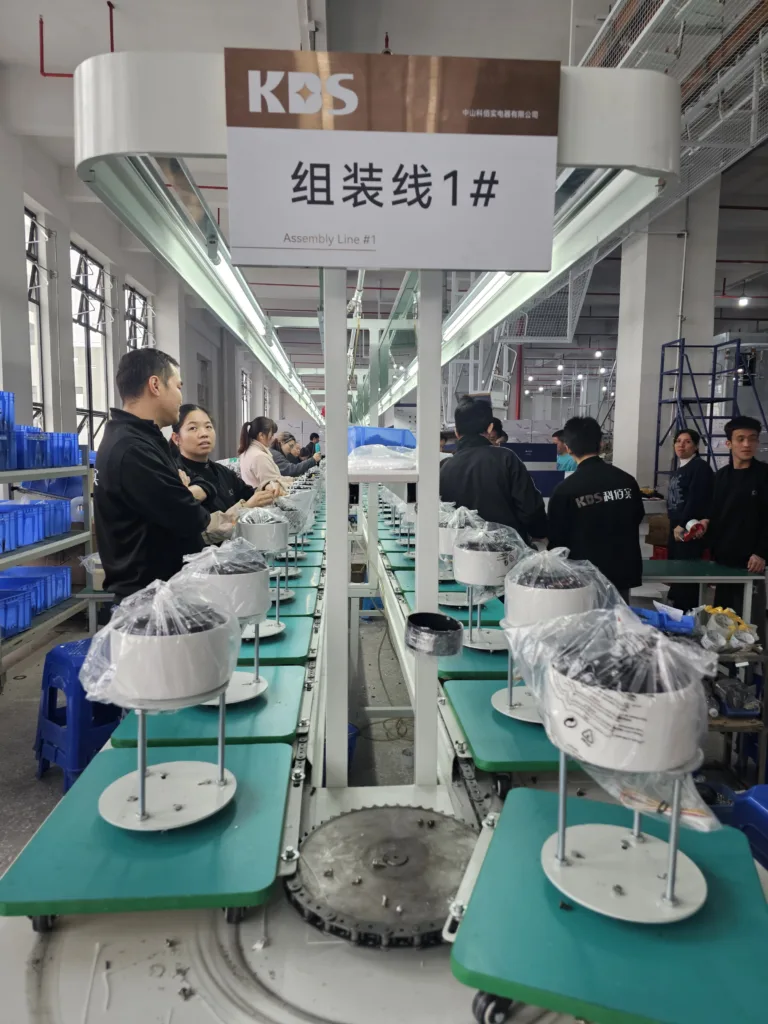

When purchasing ceiling fan lights, whilst price is certainly important, it is often product quality, delivery capability and the supplier’s professionalism that truly determine the success of a project. Below are the five most common issues encountered during the procurement process; we recommend paying particular attention to these before placing an order.
1. Comparing prices alone whilst neglecting product quality
Excessively low prices may indicate compromises in materials, components or manufacturing processes. In the long run, the costs of quality issues and after-sales service often exceed the savings made on the initial purchase.

2. Discrepancies between samples and bulk orders
Just because a sample performs well does not guarantee that the bulk order will maintain the same quality. It is advisable to confirm whether the supplier has robust quality control processes in place to ensure consistency between the bulk order and the sample.
3. Overlooking product certification
Different markets have varying certification requirements for ceiling fan lights. Before placing an order, you should confirm that the product complies with the standards of your target market to avoid issues with sales or customs clearance.
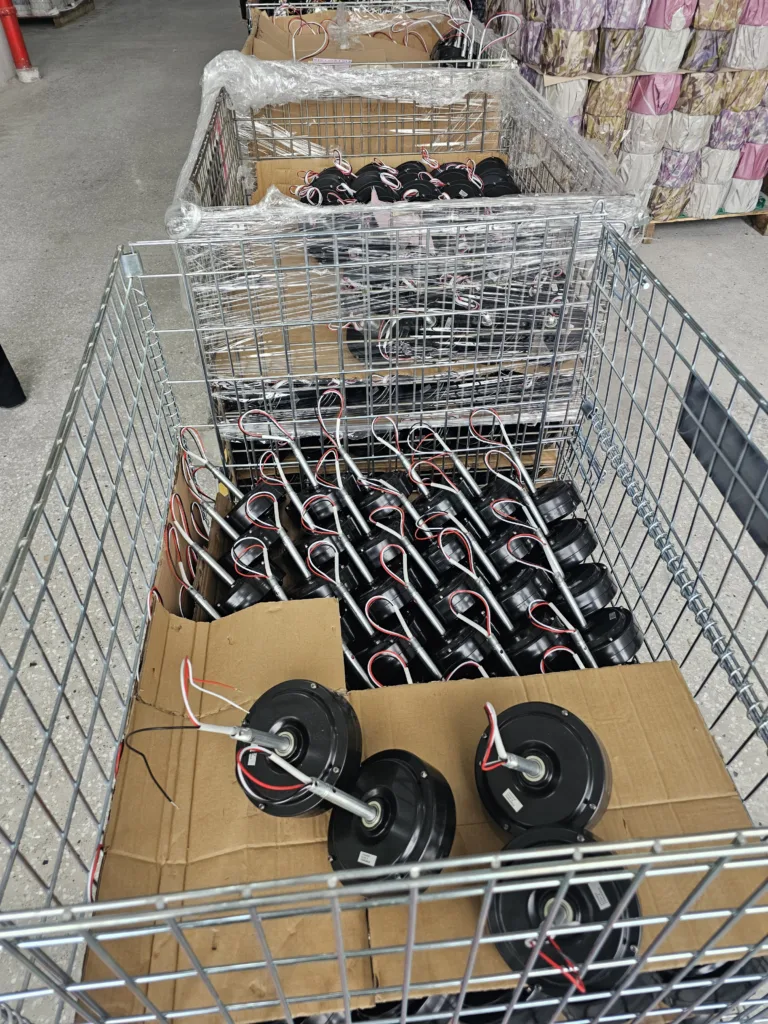
4. Neglecting packaging and transport protection
Ceiling fan lights consist of multiple components; inadequate packaging can easily lead to damage during transit. A professional packaging solution can effectively minimise transport risks and ensure the products arrive safely.
5. Focusing solely on the product without assessing the supplier’s capabilities
Stable production capacity, rigorous quality control and comprehensive after-sales support are equally important criteria when selecting a supplier. Long-term cooperation relies on reliable manufacturing capabilities.
Conclusion
A successful procurement process involves not only purchasing the right product, but also finding a supplier worthy of long-term partnership. Gaining a thorough understanding of the product, the factory and service details prior to procurement can effectively minimise risks and ensure a smoother collaboration.