

When choosing a suitable ceiling fan light, it is important to consider not only its appearance and functionality but also the installation method. Different installation methods are suited to different ceiling heights and usage scenarios; understanding these differences in advance will help you select the most appropriate product.

1. Downrod Mount
The downrod mount is the most common method, whereby the ceiling fan light is secured to the ceiling using a downrod of varying lengths.
This installation method is suitable for spaces with high ceilings, such as residential properties, villas, and halls. The length of the downrod can also be adjusted according to the ceiling height to ensure the fan operates at the correct height.
Suitable settings:
- Living rooms
- Dining rooms
- Hotel lobbies
- Villas
2. Flush Mount
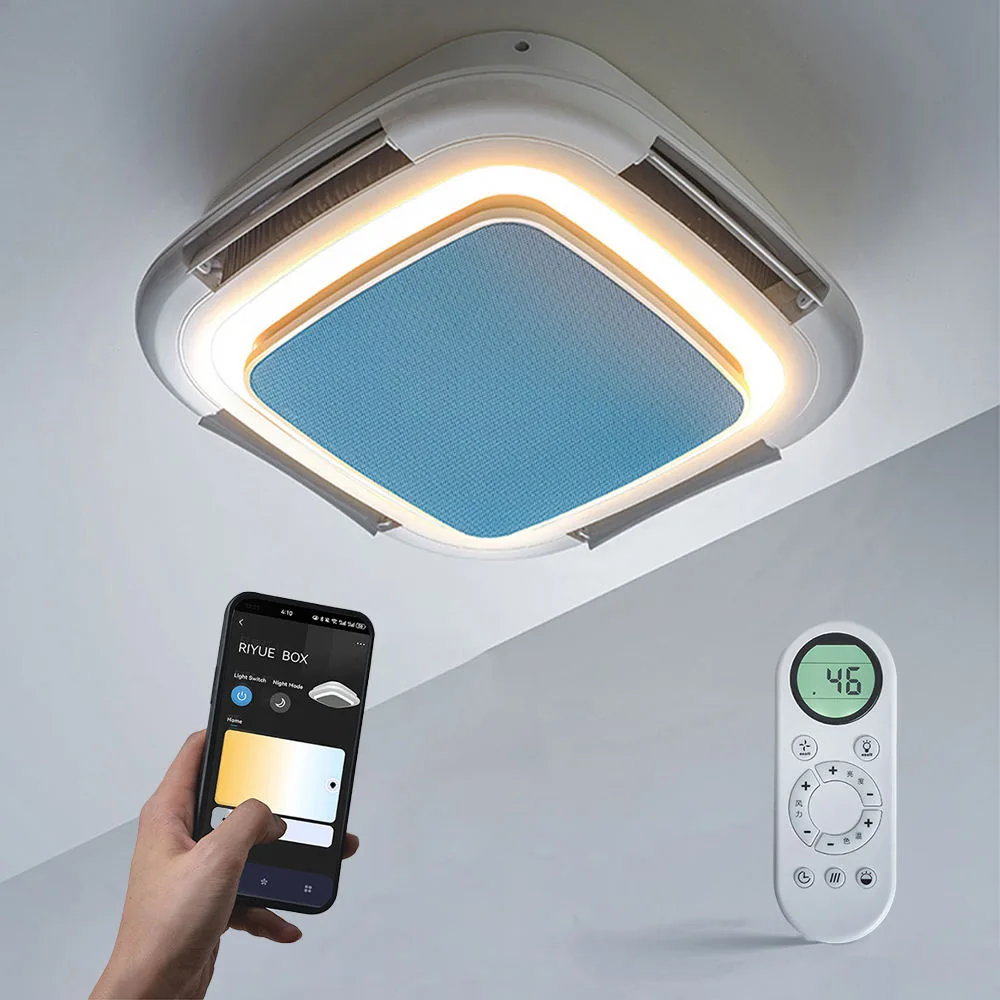
Flush mounting, also known as ceiling-mounted installation, involves fixing the ceiling fan light directly to the ceiling without the use of a downrod.
This method saves space and is more suitable for rooms with lower ceiling heights.
Suitable scenarios:
- Bedrooms
- Flats
- Small homes
It is important to note that not all ceiling fan lights are suitable for flush mounting; you should check the product specifications to ensure compatibility before purchasing.
3. Sloped Ceiling Mount
For spaces with pitched roofs or sloped ceilings, you can choose a ceiling fan light designed for sloped ceiling mounting.
Using specialised mounting fittings, the fan can operate stably whilst minimising the impact of the slope.
Suitable for:
- Lofts
- Log cabins
- Churches
- High-rise buildings with sloping roofs
How to Choose the Right Installation Method?
In addition to the installation method itself, it is advisable to consider the following factors when making your choice:
- Ceiling height
- Room area
- Installation environment
- Product dimensions
- Whether sloped ceiling installation is supported
Selecting the appropriate installation method based on the actual environment not only enhances the overall aesthetic appeal but also helps to achieve better airflow.
Conclusion
There is no absolute ‘right’ or ‘wrong’ when it comes to installation methods; the key lies in whether they are suitable for the specific application.
If you are developing new ceiling fan light products or selecting product solutions for different markets, confirming the installation method in advance can minimise subsequent installation issues and provide end users with a better user experience.
As a specialist manufacturer of ceiling fan lights, we offer a variety of installation solutions and support OEM/ODM customisation services, providing suitable product recommendations tailored to different market needs.